

The question nearly always arrives as the same sentence: our site looks old.
That is a symptom, not a diagnosis. An old-fashioned site can bring in enquiries every week, and a brand new one can stay quiet for months. Before you decide, it is worth answering five questions. You can answer them honestly in ten minutes, without anybody's help.
Five questions that settle it
- Does the site bring in enquiries right now? Look at the inbox and the phone, not at the design. If enquiries arrive, you have a working thing, and working things deserve caution.
- Is the software behind it still supported? A system that no longer receives security updates is a clock ticking. No new colour scheme repairs that.
- Is the structure broken, or only the paint? If people cannot find your service, the structure is broken. If they find it and the page merely feels dated, the paint is. The two do not cost anything like the same.
- How much of the content survives? The words, the photos, the prices, the work you have done. If most of it moves across, a new site is considerably cheaper than the first quote suggests.
- Whose name are the domain, the hosting and the logins in? If you do not know the answer, that is the first thing to put right, whichever road you take.
Usually the decision is already there in those five answers, before any quote reaches the table.
What a rebuild resets
A repair leaves the history in place. A rebuild starts four things over, and those are exactly the ones a quote does not mention.
The addresses change. Every page whose address changes is a new page as far as a search engine is concerned.
Search results start over. Not always from zero, but almost always with a dip, and climbing back takes months.

Everything you were measuring starts over too. The comparison against last year breaks at exactly the moment you would most want to look at it.
And old links from elsewhere - a directory, a partner's site, an article written years ago - land in an empty place, unless somebody points them at the new address.
When a repair is genuinely enough
More often than agencies admit.
If the site is technically sound and the trouble is that the phone number is hard to find, the prices are missing and the photos are ten years old, those are a week of work. A new site would do the same job, but it would take three months and cost several times as much.
The same goes for speed, the phone view and individual pages. They can be put right one at a time, and each fix reaches the public immediately rather than in three months alongside the rest of a project.
When rebuilding is the cheaper option
When every small change needs a developer, when updates no longer install without breaking something, and when the content editor is so confusing that nobody dares open it, you are paying for patching for the third year running and getting less back each year.
That is the point where a new site is cheaper. Not because it is prettier, but because repair has turned into a standing cost.
The most expensive reason to rebuild
"We just want it to look modern."
That is the most expensive reason there is, and the most likely way to end up with a site that performs worse than the old one.
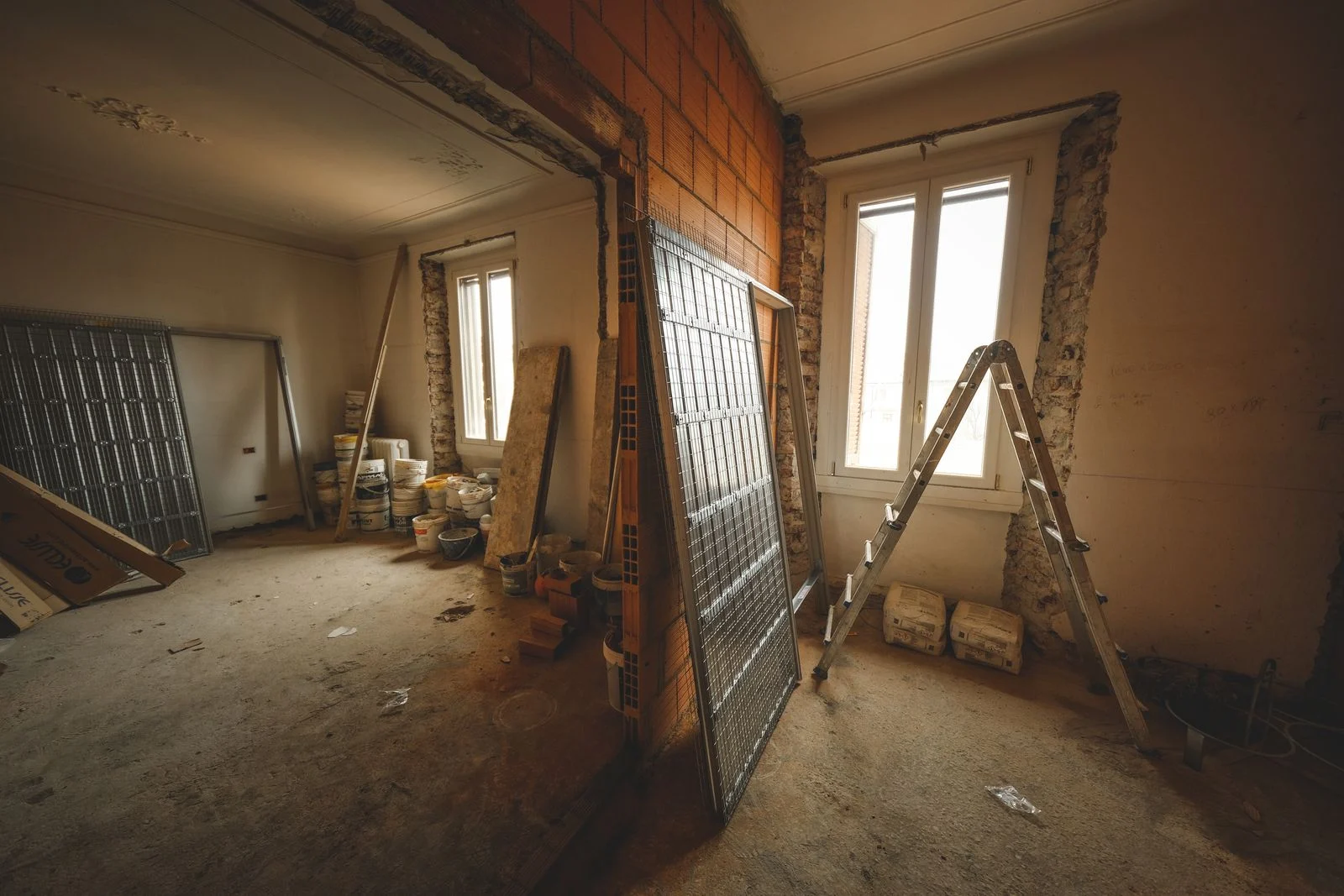
The reason is simple. An old site has settled into shape over the years. It has pages people actually found, and sentences that answer real questions somebody once asked on the phone. A new design starts from an empty page, and an empty page holds none of those answers.
Some pages disappear because nobody remembered why they were there. The words get shorter, because short text looks better in a layout. The result is prettier and quieter.
The question that tests the recommendation
The honest part: an agency, this one included, has an obvious interest in recommending a rebuild. A new site is a bigger project, a bigger invoice and more interesting work than fixing somebody else's code.
So there is one question worth asking every supplier, us as well: what breaks if we do nothing?
A concrete answer sounds like this version stops receiving security updates in the autumn. A vague answer sounds like the site is no longer contemporary. You can put a date on the first one. The second only produces an invoice.
Ask a second thing too: what survives from the current site. If the answer is that everything gets made again, ask why.
The thing that is forgotten most often
Redirects. When addresses change, every old address has to be pointed at its new one. It is list-making rather than creative work, which is exactly why it gets left undone.
The bill arrives about a month later: pages gone from search, broken links from elsewhere, and a link in an old customer email that leads to an error page. Ask for redirects by name in the quote. If they are not written in it, they are not in the price either.
Where to start
If you do not know which of the two states your site is in, start with a measurement rather than a quote. Our free search engine audit tells you whether the trouble is on the technical side or in the content.
If the answer is repair, website management is where that gets done consistently. If the answer is a new site, do it properly once, and have the redirects written into the quote.
And if the answer stays unclear, ask us. We will also say so when the right answer is that your current site does not need touching.
Frequently asked questions
Answer five questions that take about ten minutes in total. Does the site bring in enquiries right now? Is the software behind it still receiving security updates? Is the structure broken or only the paint, meaning can people find your service or do they simply dislike the look? How much of the words, photos and prices survives? And whose name are the domain, the hosting and the logins in? "The site looks old" is none of those. It is a symptom, not a diagnosis.
A repair leaves the history in place; a rebuild starts four things over. The addresses change, and every page whose address changes is a new page as far as a search engine is concerned. Search results start over, almost always with a dip, and climbing back takes months. Everything you were measuring starts over too, so the comparison against last year breaks. And old links from elsewhere, from a directory or a partner's site, land in an empty place unless somebody points them at the new address. Those four are usually missing from the quote.
It is the most expensive reason to rebuild and the likeliest way to end up with a site that performs worse than the old one. An old site has settled into shape over the years: it has pages people actually found and sentences that answer real questions. A new design starts from an empty page, and an empty page holds none of those answers. Some pages disappear because nobody remembered why they were there, and the words get shorter because short text looks better in a layout. If only the paint is the problem, that is a week of work, not a three-month project.
A redirect sends an old address to its new one. When a site is rebuilt and the addresses change, every old address has to be pointed at its replacement. It is list-making rather than creative work, which is exactly why it is the thing most often left undone. The bill arrives about a month later: pages gone from search, broken links from elsewhere, and a link in an old customer email that leads to an error page. Ask for redirects by name in the quote. If they are not written in it, they are not in the price either.
Read next

There is a News item in the menu with three posts under it, the newest dated three years ago. A visitor reads the date before the headline, and the date asks a question the page never answers: is this company still there? This is not a Google penalty, it is a signal to a person. Three honest options for a dead news page, and a list of the dates that make promises on your site.